Still Life Photography – a few tips to success.
When photography originated, it was necessary for exposures to be quite long, so photographing static objects was the ideal subject matter. The fascination for capturing still life has remained even in these days of advanced technology.
Getting Started: You can begin by simply using a space at home, such as a table placed by a window, along with a simple backdrop and utilizing a couple of lamps, flash or reflectors.
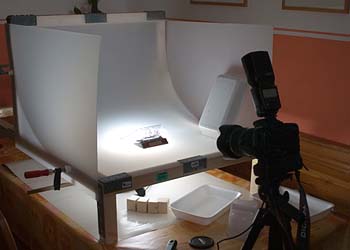
You have complete control over the photographic situation, including the subject matter, but you need to think extremely creatively in order to capture it in an interesting and engaging way.
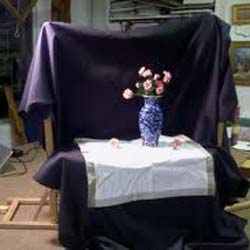
Choosing the subject: What you photograph is completely up to you. Find something simple but interesting to start with. Fruit or flowers are always easy to hand and are a good starting subject. However try to think outside the box without being overly ambitious. You can be creative all the same.

Try to avoid reflective surfaces such as glass and metal to begin with, as they will be extremely difficult with regards to lighting. Once you have mastered the single object images, try to combine objects of contrasting shape, colour, texture and see what you can come up with.
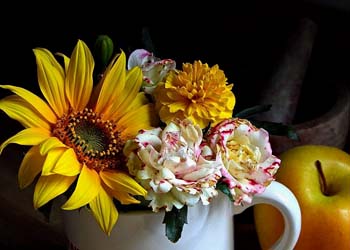
Lighting: Lighting does not have to be expensive or complicated. Remember that you have full control over the shoot. Using standard lamps can work extremely well if used effectively.
Be sure to try multiple positioning set ups, not all light has to come from the front of the object, side and back lighting will add interest, shadows and depth to the image.
Alternatively, choose a room that is well lit via a window, and use this to your advantage. The natural light from one side will comprehensively light your subject and you can complement this with a lamp or reflector.

Tripods and Angles: Depending on your lighting situation, you may or may not need to use a tripod and shutter release. It is a good idea to use a tripod as it will allow you to observe and work with your subject matter.
This set up will also allow you to use slightly longer shutter speeds than usual to ensure a small aperture allowing the image to be in focus front to back. Be sure to vary the angles and heights at which you are shooting.
Try shooting at the level of the subject or try a bird’s eye view, looking down onto the subject, but be careful if you are moving around not to cast any shadows on your subject!
Get the backdrop right: A suitable backdrop for your subject matter will play a crucial role in the overall success of your images. Keep it simple. A plain painted wall or a large sheet of white or plain coloured paper or material is ideal.

Think about how your choice of background contrasts the subject or enhances with harmonious or complimentary colours.
For smaller objects, you may not need a backdrop as such, but instead require a surface to place the items on, for which something like black velvet is ideal, as it absorbs light and looks like a solid black surface.
Composing the image: The compositional element of your still life work is an absolutely crucial part of ensuring that your work is engaging and unique. Consider the rule of thirds, how can that be applied to your image to create a strong composition. Ensure there are no distractions within the frame, just the subject and the backdrop.
Be sure to vary the composition of the subject matter through the shoot and think outside the box. Where are you leading the eye within the image? Are you utilizing negative space or might it work to try and fill the frame? Engage with the subject, what are its defining features? What is it used for? Are you able to put it into context or does it work as a stand-alone subject?

Taking all day over it: When photographing still life photographyyou have as much time as you need to do a good job!
Unlike landscape photography, the light is not rapidly changing or as with a portrait session your subject will not get bored of keeping still for long periods of time. Take advantage of this, set up your subject, lighting, backdrop and camera, try a few images, then move things around a bit and have another go.
If you get to a point where you feel like things are not going quite right, you can just leave everything set up, make yourself a cup of tea and come back to it refreshed later on.
Another advantage is that there is no excuse not to have clean and sharp images, take time to get the lighting and focus just right.
A macro lens will be ideal for this sort of photography. However try selecting macro mode on your camera to give you the best chance of capturing the close up detail in your subject (gives you a closer focussing distance).
Inspired by the masters: Study paintings of the renaissance still-life artists on-line. This will help you with the lighting, composition and structure of your images. Also think about form, shade and how the colours work together and this will hopefully give you a few ideas for strong and engaging images.
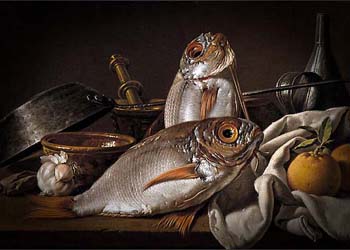
Try setting up your camera and backdrop by a suitably light spot next to a window!
Once you have mastered the basics, try getting creative, experiment with camera angles, lighting angles and alternative light sources such as candles and lamps. You could even try getting creative with apertures and use a wide open (small aperture 2.8 etc) lens setting to achieve an artistic shallow focus.
still life photography does not have to be of fruit and flowers! So find some unique and inspiring subject matter that gets you excited and start shooting!
Remember our FREE 'Still life' workshop at the coming July Library seminar will be on Thursday 18th July. Everyone welcome.

Images from recent Community Group Photo Workshop.


Brisbane City legal precinct by Emma Daniells.
Will you be joining a group for a rewarding photography workshop and experience next month?
Everyone can be involved in our community workshops – irrespective of your global location.Please see details on my Workshop webpage
Enjoy your photography.